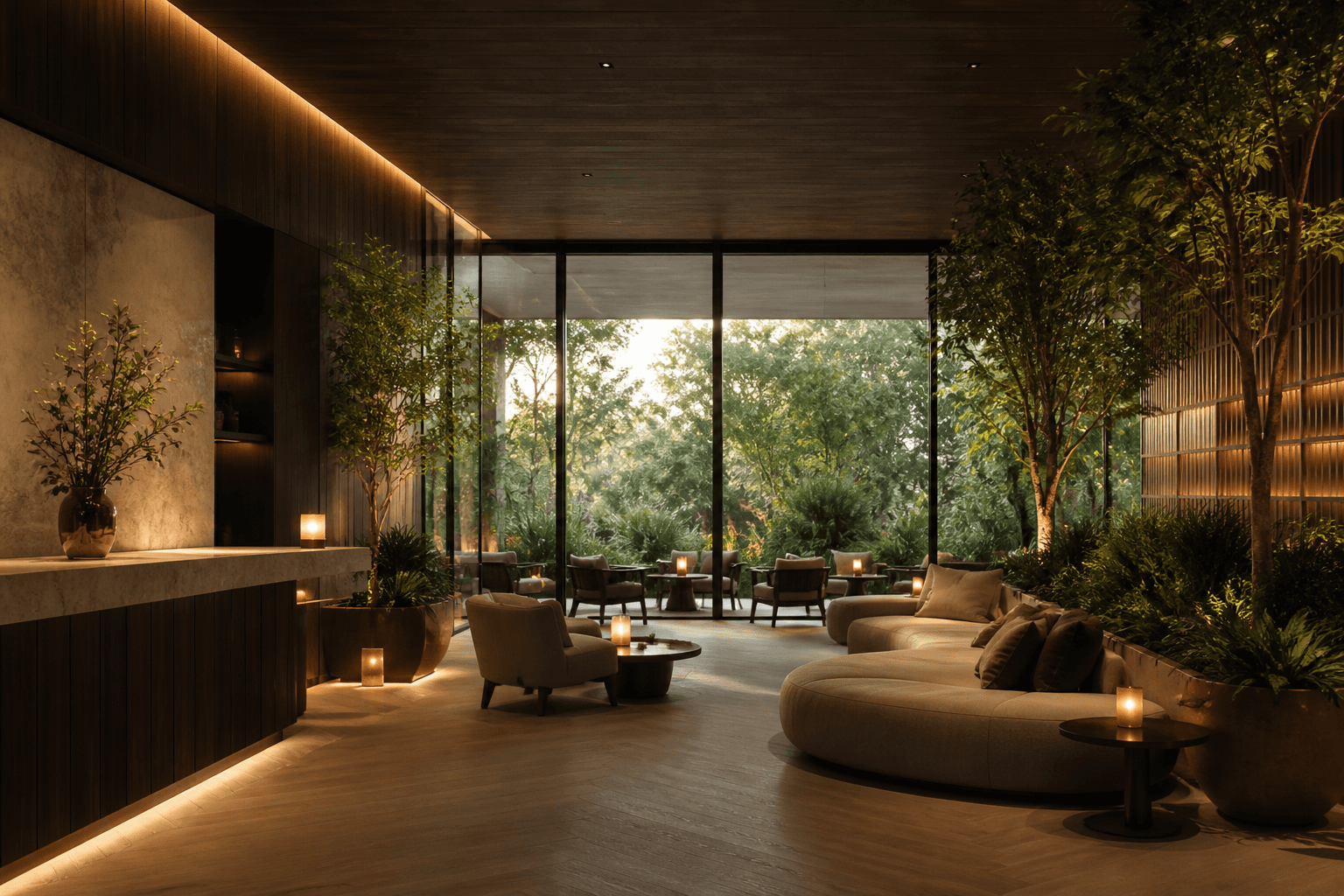
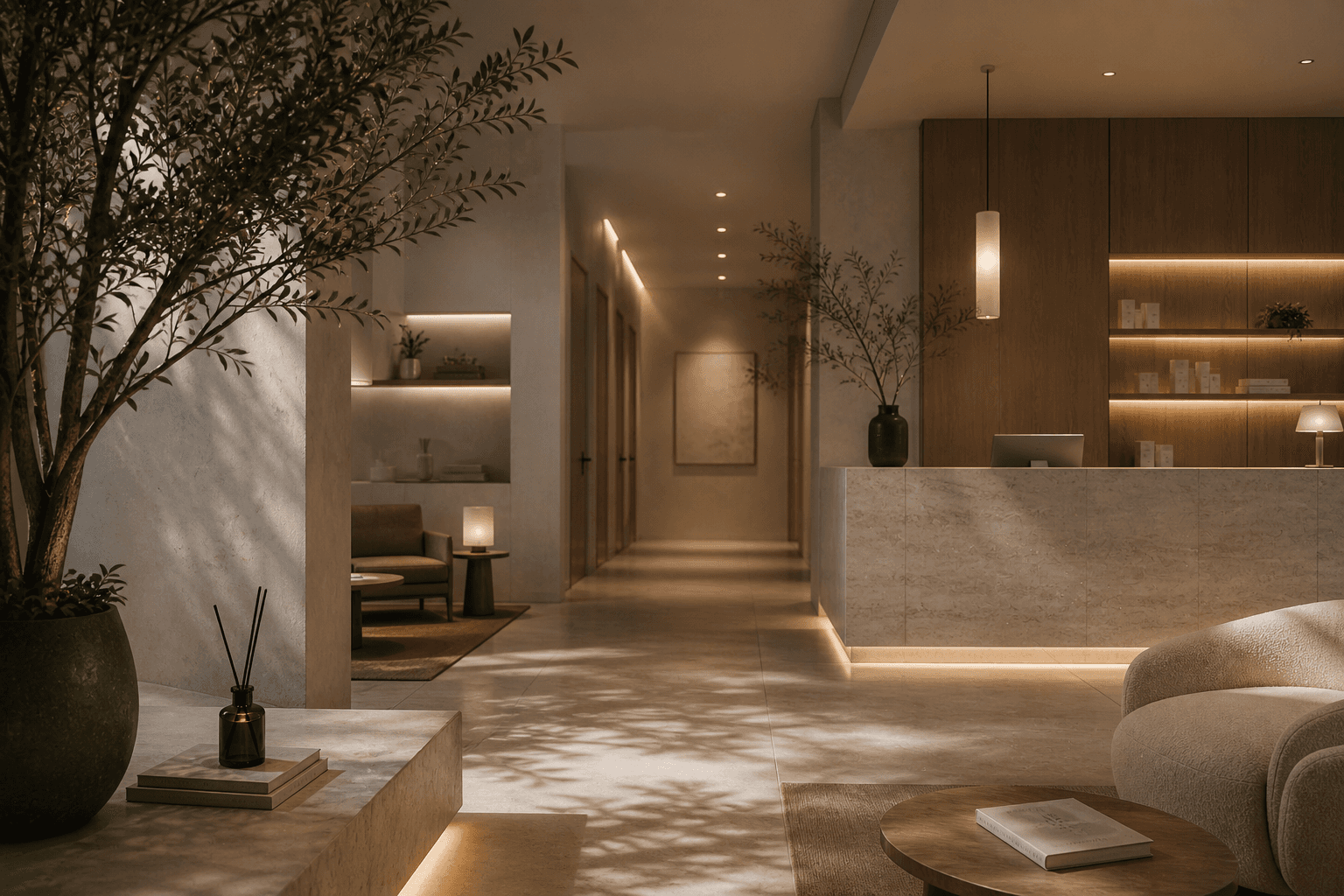
The Secrets Behind Hotel Scenting
Scent in a hotel is not a detail — it is part of the guest experience. In this article, we explain how fragrance shapes first impressions, where it matters most, and why poor scenting can undermine even the most carefully designed interior.
6 min read
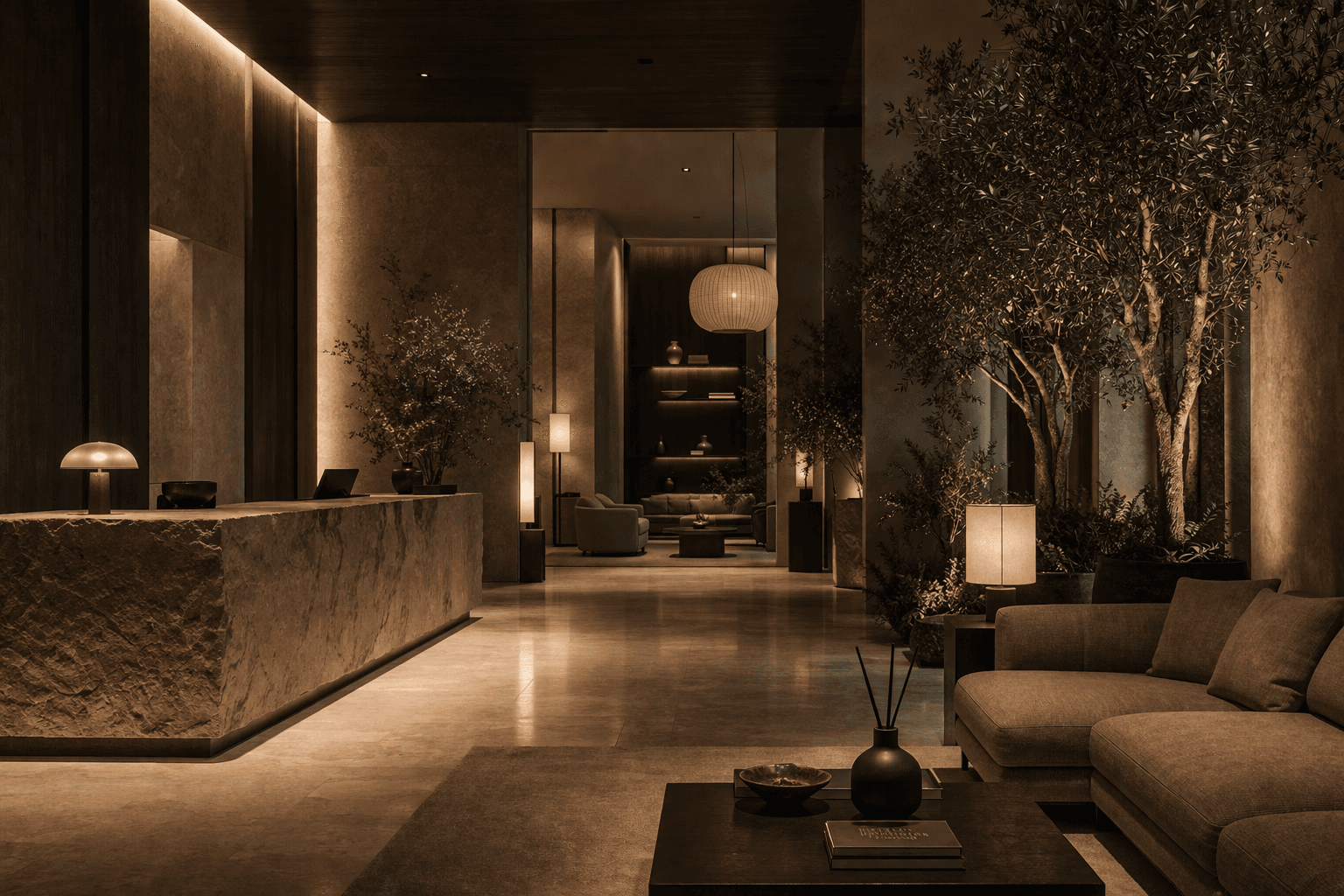
Hotel Scenting: How Fragrance Shapes Perception Before Guests Even Reach Their Room
Guests begin evaluating a hotel long before they open the door to their room.
The first impression forms within seconds — the moment they enter the lobby.
Lighting, materials, ceiling height, music, and reception experience all matter.
But one element influences perception faster than the rest:
scent.
Why Scent Works First
People do not analyze scent.
They feel it.
Instantly — before logic, before conscious evaluation.
When entering a hotel, guests are not yet thinking:
"The design looks beautiful."
"The service feels premium."
Instead, they are already feeling:
Is it clean or not?
Calm or stressful?
Inviting or uncomfortable?
This is where the first sense of quality begins.
The Problem With Most Hotels
In many hotels, scent is not strategy.
It is accidental.
A combination of:
cleaning products
kitchen smells
ventilation
humidity
carpets and textiles
guest traffic
As a result, a hotel may look premium but feel entirely different.
Guests rarely describe this consciously.
But they notice it immediately.
What Professional Scenting Actually Does
The purpose of scenting is not to add fragrance.
Its purpose is to remove randomness.
Professional scenting creates a controlled atmosphere that:
reinforces cleanliness
creates calmness
supports brand consistency
builds recognition
This is not about strong fragrance.
The goal is simple:
Guests should not notice the scent.
They should simply feel comfortable being there.
The Lobby: The Most Important Sensory Space
The lobby is where an invisible decision happens:
"I like this place."
or
"Something feels wrong."
Scent becomes part of that first interaction.
It should:
feel clean and effortless
remain subtle
reflect the level of the hotel
work alongside music and lighting
Fragrance that is too strong creates pressure.
No scent at all leaves perception to chance.
Corridors and Elevators: Where Experience Often Breaks
Even a perfect lobby can lose its effect later.
Corridors and elevators frequently:
have limited ventilation
accumulate textile odors
feel enclosed
This is where scenting becomes especially important.
Its role is not to be noticed.
Its role is to quietly maintain freshness and neutrality.
Guest Rooms Require Balance
Rooms follow a different logic.
One of the biggest mistakes is using the same fragrance as the lobby.
Guests live inside the room.
It becomes personal space.
Fragrance should therefore remain:
extremely subtle
barely perceptible
or absent entirely
Anything intrusive works against comfort.
Spa & Wellness Spaces
Spa environments allow fragrance to play a stronger role.
But scent should:
support relaxation
avoid conflicting with treatments
never feel like perfume retail
Soft fresh compositions, subtle woods, and calming herbal notes often work best.
The Common Mistake: Making It “Smell Delicious”
This is one of the most frequent mistakes.
Hotel scent should not:
feel edible
smell like food
be overly sweet
become overpowering
Because the purpose of hospitality is not stimulation.
It is comfort, calmness, and perceived quality.
Why One Fragrance Never Works Everywhere
Every hotel is different.
Architecture.
Ventilation.
Materials.
Guest flow.
Concept.
There is no universal fragrance.
The same composition may feel perfect in one environment and completely wrong in another.
Scent should always be selected around the specific space.
What Guests Actually Remember
When scenting works correctly, guests do not consciously remember fragrance.
They remember:
cleanliness
calmness
thoughtfulness
quality
And those feelings become part of the hotel itself.
Conclusion
Hotel scenting is not decoration.
It is not an extra feature.
It is a tool for shaping perception.
It strengthens first impressions, removes randomness, creates consistency, and allows a space to feel as elevated as it visually appears.
That is why the strongest hospitality brands approach scent with the same attention they give interior design, lighting, and service — intentionally.
Scent Selection
for Your Space