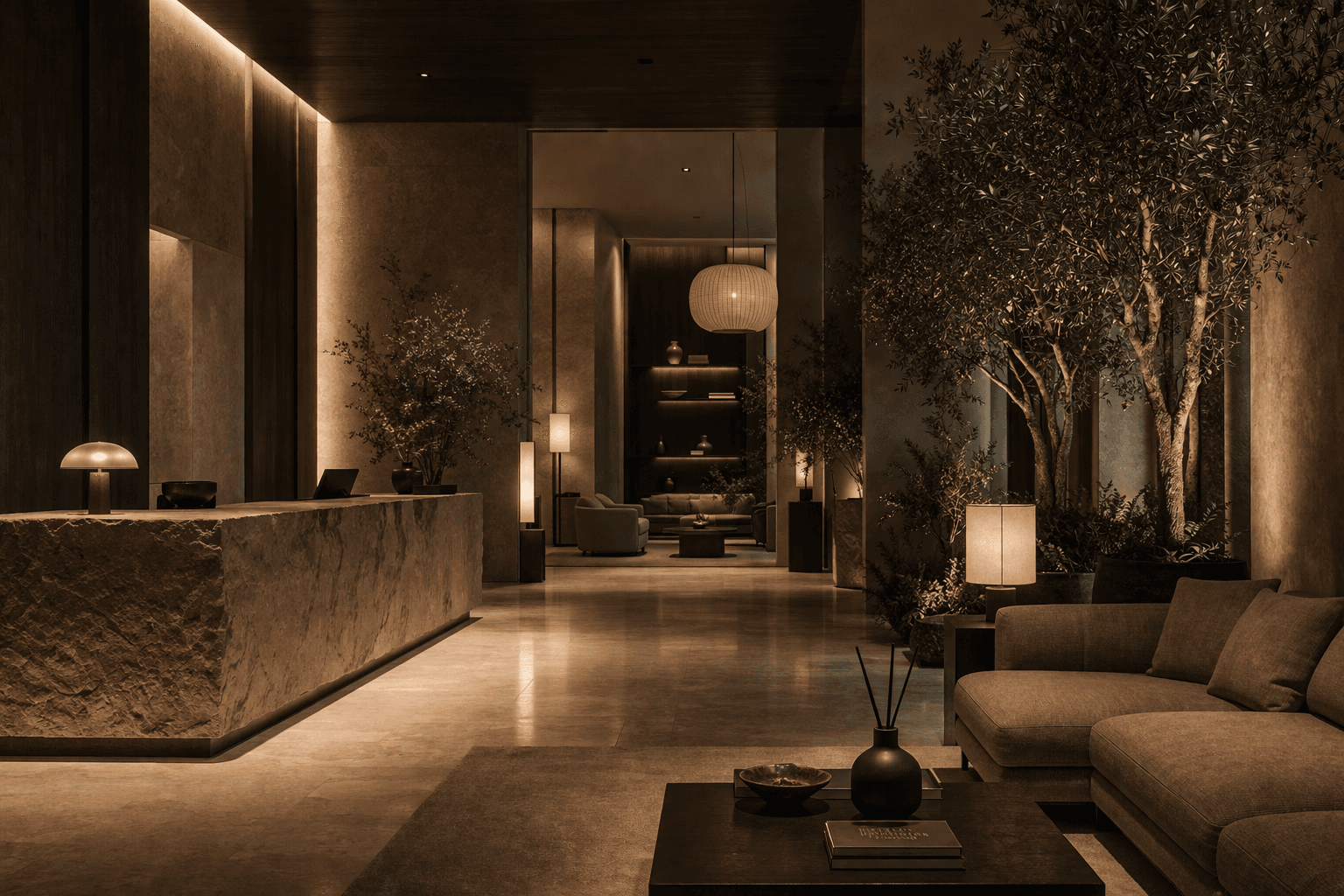
Scenting for Boutiques
Scent in a boutique is part of a brand’s identity. In this article, we explain how fragrance influences customer behavior, enhances the character of a space, and why the wrong scent can undermine a premium perception.
6 мин
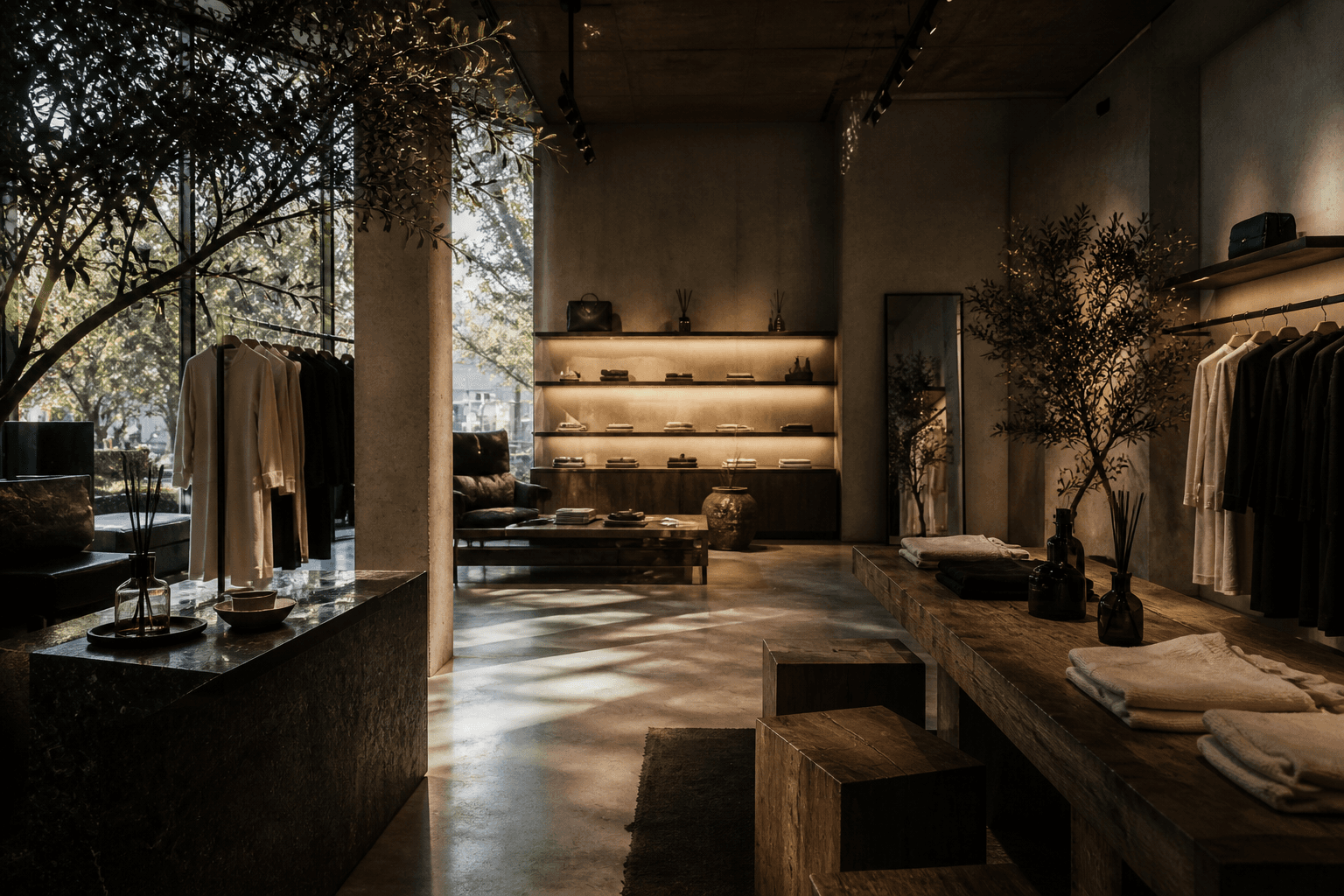
Boutique Scenting: How Fragrance Shapes Brand and Space Perception
In a boutique, people do not only buy a product — they buy a feeling.
And scent is what makes that feeling complete.
In a boutique, people do not only buy a product.
They buy a feeling.
Interior design, lighting, music, and service all work toward one goal:
creating an atmosphere where customers feel they are in the right place.
And scent is one of the most powerful tools within that system.
Why Scent Works Differently in Retail
Unlike clinics or hotels, the goal here is not only comfort.
What matters is:
• holding attention
• creating mood
• strengthening brand perception
• making the space memorable
Fragrance becomes part of the visual identity — only at a sensory level.
The Main Problem: “A Space Without Character”
Most stores look good but feel identical.
Why:
• identical lighting
• similar materials
• neutral music
• no intentional atmosphere
As a result:
customers do not feel a difference between brands.
And even an expensive interior may fail to create the desired effect.
What Scenting Does in a Boutique
Fragrance adds what visuals cannot — depth of perception.
It:
• strengthens brand character
• makes the space feel more complete
• helps people remember the place
• creates emotional connection
Important: scent should never be perceived as a “smell.”
It should feel like part of the atmosphere itself.
Fragrance as an Extension of the Brand
Every brand communicates a specific feeling.
For example:
minimalism → cleanliness, openness, calmness
luxury → depth, softness, quiet confidence
fashion → style, energy, confidence
Fragrance should support this feeling, not contradict it.
When visuals and scent do not align, internal discomfort appears.
Customers may not understand why — but they will feel it.
How Fragrance Influences Customer Behavior
When a space feels cohesive, customers:
• stay longer
• move more calmly
• pay more attention to products
• make decisions more easily
It is important to understand:
fragrance does not force people to buy.
It creates conditions where interaction with the space feels natural and comfortable.
Where Scent Matters Most
1. Entrance Area
This is where first impressions begin.
Fragrance should:
• feel clean and effortless
• avoid overwhelming the space
• establish the atmosphere immediately
2. Main Retail Area
Here fragrance should:
• remain evenly distributed
• avoid becoming stronger in certain areas
• work naturally with airflow
3. Fitting Rooms
One of the most sensitive spaces.
People remain alone and:
• become more aware of the environment
• notice details more critically
Fragrance here should remain extremely subtle.
The Most Common Mistake
Trying to create a scent “that everyone likes.”
Usually:
• sweet
• intense
• perfume-like compositions
The problem:
they have no connection to the brand.
And create the feeling of:
not a carefully designed atmosphere — but a pleasant smell for the sake of a pleasant smell.
Why Strong Fragrance Destroys Premium Perception
The more premium the brand, the quieter it should speak.
The same applies to scent.
Strong fragrance:
• creates pressure
• distracts
• feels like an attempt to impress
Premium works the opposite way:
through calmness, confidence, and the absence of pressure.
What Customers Ultimately Feel
When scenting is done correctly, people do not think about fragrance.
They simply feel:
• atmosphere
• style
• cohesion
• quality
And that feeling remains long after they leave.
Conclusion
Scenting in a boutique is not an additional feature.
It is part of the brand.
It:
• strengthens visual identity
• makes spaces memorable
• creates emotional connection with customers
And that is exactly why fragrance should not simply be pleasant.
It should be precise.
Because it speaks about a brand in the same way as interior design, products, and service — only on another level.
Scent Selection
for Your Space